

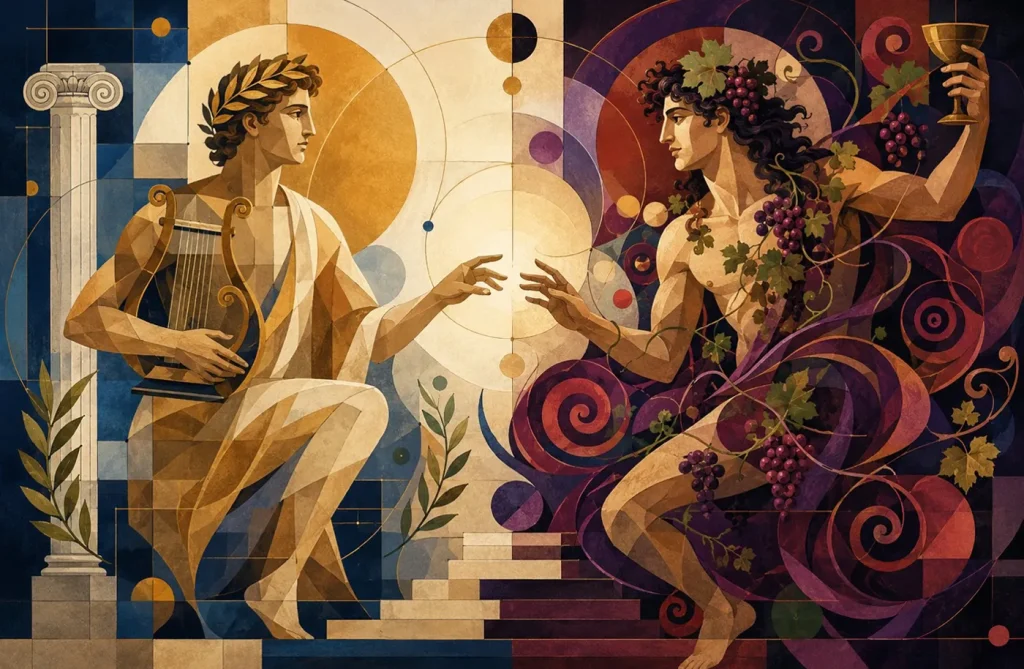

About six years ago, I realized that many of the issues I cared most about would not be resolved in my lifetime; some might even be regressing. It was a quiet but unsettling reckoning. For a while, I resisted it, holding onto the hope that enough effort or conviction might still bend the arc of events toward resolution. But over time, with a touch of humility, I saw that some of what I longed to see mended or made whole would remain unfinished—as perhaps it always was.
It took time to make peace with that recognition—to understand that the world’s fractures were not waiting for me to fix them. The turning came when I loosened my grip on the “I,” trying so hard to make sense of it all. Something softened in me. I began to perceive humility not as defeat but participation—a way of being with life’s uncertainty without needing to master it.
I no longer needed to know how situations would turn out. Not knowing became strangely natural, even necessary. In that not knowing, I found a quieter kind of confidence—rooted not in certainty, but in the willingness to do my best, to act with care, even as outcomes remain beyond me.
Humility’s not the opposite of pride or a denial of worth. It’s more like a deep bow to the mystery of being, itself— acknowledging that our knowing, our control, and even our virtue are provisional.
The Measure of Humility
Ironically, this realization came years after I took one of those comprehensive character strength surveys that map your inner landscape. Out of 24 traits, I scored comfortably high on 23. But humility came in noticeably lower.
That variance stayed with me—a stone in my shoe. What did it mean to appreciate humility, yet not embody it? What conditions allow humility to grow—or obscure it?
My inquiry began at the blurry edges between arrogance and confidence and between insecurity and self-assurance. I started to notice how often arrogance served as a shield—a way of protecting the tremor of uncertainty beneath. Repeatedly, humility reappeared, not as a moral virtue to perfect, but as a necessary condition for what truly mattered: wisdom, compassion, connection, and spiritual depth.
I began asking: How might I quiet the need for validation, cultivate confidence without inflation, and trust without pretense? That little survey had revealed something I couldn’t ignore: Humility wasn’t merely a social grace, moral restraint, or temperamental modesty but a gateway to being fully human.
Beyond Modesty: Humility as Ontological Inquiry
For all its empirical precision, the survey had a narrow view of humility. It treated it mostly as modesty, a social virtue, a kind of temperamental restraint that keeps one from boasting or overclaiming. Humility was placed alongside traits such as prudence, forgiveness, and self-regulation as another form of behavioral moderation. It was tidy, admirable—and entirely insufficient.
Indeed, the dictionary defines humility as “having a modest view of one’s own value or importance.”
The humility I’ve recognized since then is not about self-containment or minimizing one’s importance. It’s not the opposite of pride or a denial of worth. It’s more like a deep bow to the mystery of being, itself—a way of acknowledging that our knowing, our control, and even our virtue are provisional. True humility, I’ve discovered, isn’t a character trait but a condition of consciousness.
When humility is framed only as modesty, it becomes moralized and performative. Indeed, the term “false modesty” exposes such performative virtues—gestures meant to look good rather than be good.
In psychology, false humility can function as a defense mechanism or form of impression management as conceptualized by sociologist Erving Goffman in the classic The Presentation of Self in Everyday Life (and here).
However, ontological humility is different. It arises when the self loses its claim on certainty, when we recognize the limits of our perspective and the vastness of what exceeds it. It’s the quiet recognition that our existence is participatory, not possessive—we are in life, not in charge of it. This often entails confronting stubborn obstacles.
Beyond “Being Right”
One of the more stubborn obstacles to humility lies in the mindset of being right. Few experiences are as gratifying as feeling right: confirmed, validated, or intellectually secure. Yet, as psychologist Carol Dweck has noted, many professionals form their identities around this very satisfaction, mistaking correctness for competence. This creates what she calls a fixed mindset—one that values certainty over curiosity and affirmation over a growth mindset.
Humility invites space around our beliefs, assumptions, and assertions. It allows us to see how fragile our knowing really is—how every conviction carries the shadow of limitation. When we loosen our grip on being right, we create room for inquiry and insight. We begin to bow before reality, seeking understanding, not asserting dominance.
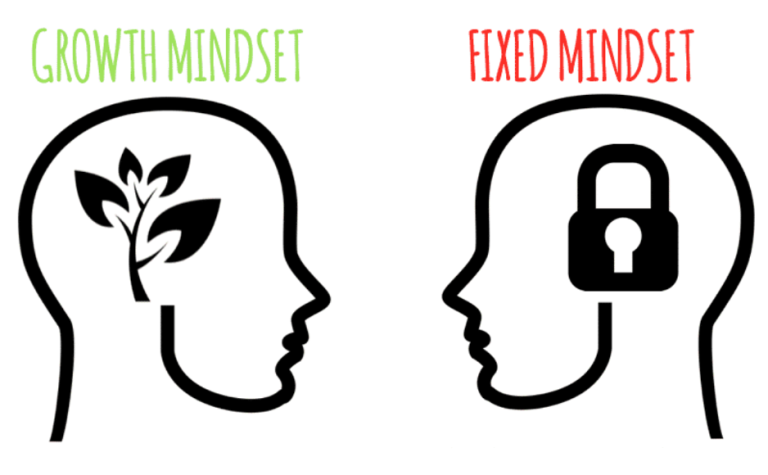
The trouble with being right is that it often makes others wrong. Even when our conclusions are sound, clinging to them as identities diminishes relationships and discovery. It narrows our field of perception, replacing openness with subtle self-protection. Over time, it costs us effectiveness, relatedness, and actual learning. The desire to be right can fill the space of awareness with false confidence—often a cover for deeper insecurity. Recognizing this dynamic softens the self and allows genuine insight to emerge.
In Eastern traditions, bowing is a profound gesture of respect, humility, gratitude, and devotion—not a sign of subservience to a deity. Its meaning and expression vary across faiths, yet the core symbolism is the same: releasing the ego. In Buddhism, bowing is a central practice, a physical expression of awakening. Each bow humbles the ego while affirming one’s inherent capacity for enlightenment—a reminder that wisdom arises not from domination but from surrender.
The Lost Art of Not Knowing
We live in an age that prizes certainty. Competence, mastery, and performance are the currencies of credibility. To admit not knowing or to hesitate before declaring a conclusion risks being perceived as uninformed or irrelevant. Knowledge has become a posture—something to display—not a field in which we participate to discover.
Humility in this climate can appear almost subversive. It resists the demand to be constantly “in the know.” It invites us to pause before the mystery of things, to accept that even our most advanced systems of thought remain provisional. Without humility, we confuse information for understanding and proficiency for wisdom.
Yet, it is precisely in this time of data abundance and spiritual scarcity that humility becomes essential, not as meekness and modesty, but a mode of sanity. It re-grounds us in the truth that being human is not about mastering the world but about participating in it.
In this sense, humility isn’t merely a character strength; it’s a return to proportion. It situates us properly within the ecology of being—not above or below but among. It helps us meet the world not through control or comparison, but reverence and relationships.
The Ground Where We Stand: Returning to “Hum—”
The very word humility reminds us of where we come from. Its root, humus, means “earth” or “soil”—the dark, fertile ground where all life grows. From the same root, we get human and, interestingly, humor.
- Humility comes from humilitas: lowness and groundedness.
- Human from humanus: of the earth, earthly.
- Humor from umor: moisture or fluid, symbolically linked to what flows and softens.
Taken together, they tell a deeper story. To be humble is to be grounded. To be human is to be of the earth. To be humorous is to stay fluid, light, and open. All three temper the excesses of ego and rigidity.
Symbolically, humus is fertile—the condition that allows growth. So, humility is not about being lowly; it is the ground from which transformation arises. Humor adds lightness to that ground, preventing it from becoming heavy with self-importance. And to be truly human is to live between these two—grounded and light, finite yet open, knowing and not knowing.
In this way, the “hum-” family offers more than etymology; it offers a philosophy of being:
- Rooted in the reality of our limits.
- Open to uncertainty and paradox.
- Light in presence and relationship.
- Curious and creative in our engagement with the world.
I smile as I write this, recalling two days I spent with the Dalai Lama attending his teachings in 2014. It was impossible not to notice his lightness—the way humor arose effortlessly from his presence, itself. His laughter didn’t distract from seriousness; it revealed a deeper balance between groundedness and joy. In him, humility was not solemn but luminous—a presence both deeply rooted and gently radiant, at once ordinary and profoundly loving.
Explore humility as an expression of being—ontological, intellectual, and cultural—inviting mystery, openness, and grounded participation in life.
Humility: Three Expressions of Being
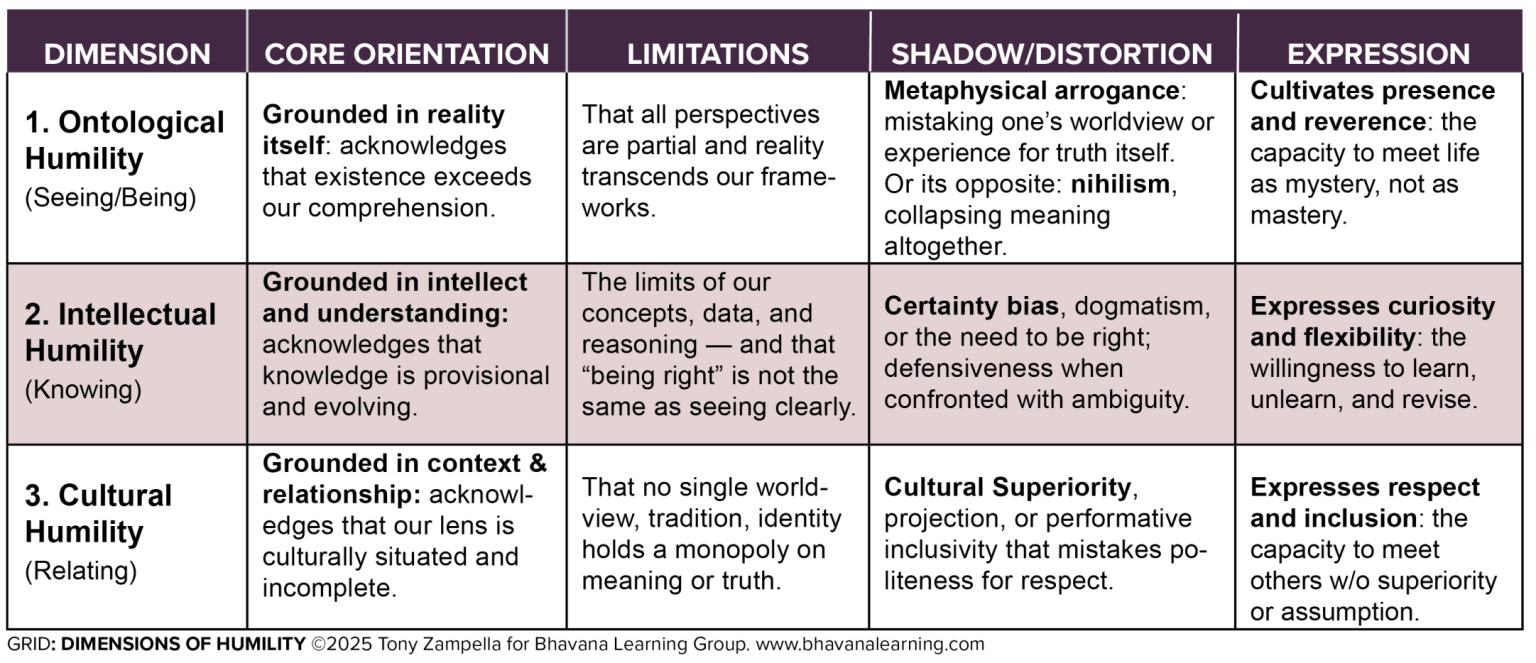
Humility lives in three expressions of being—ontological humility, intellectual humility, and cultural humility—each offering space to expand our humanity.
1- Ontological Humility—the Ground of Being
Ontological humility is foundational. It recognizes that reality, itself, exceeds our comprehension. All perspectives are partial, all truths contextual. This humility asks us to hold our frameworks lightly and acknowledge the mystery that surrounds every act of knowing.
The practice of ontological humility invites us to dwell within the limits of human perception without collapsing into nihilism or certainty. It is the humility of presence, the awareness that our seeing is always a view from somewhere, and what we call “truth” is never the whole.
Reflective prompts:
- What beliefs about reality do I consider unquestionable? How might my conditioning shape them?
- When have I realized that my understanding was partial or mistaken?
- What worldviews make me uncomfortable—and what does that reveal about my boundaries of understanding?
2- Intellectual Humility—the Mind’s Flexibility
Intellectual humility grows from ontological humility. It acknowledges that knowledge is provisional, evolving, and subject to revision. It allows curiosity to flourish where certainty once ruled.
This humility is essential for learning. It turns defensiveness into inquiry and enables wisdom. It softens dogmatism, recognizing that the mind is a living instrument, not an archive of fixed truths.
Reflective prompts:
- When was the last time I changed my mind about something that mattered?
- How do I respond when facing uncertainty or contradiction?
- In what areas of life do I mistake confidence for comprehension?
3- Cultural Humility—the Practice of Relating
Cultural humility extends the previous two dimensions into the social field. It recognizes that every worldview is culturally situated—that our customs, values, and norms are one expression among many. It invites engagement with difference through curiosity, not superiority.
This humility resists ethnocentrism and performative inclusion. It listens to the wisdom embedded in unfamiliar traditions and acknowledges that understanding another culture requires entering its world, not merely observing it from ours.
Reflective prompts:
- What aspects of my background shape what I see as “normal”?
- How do I react to cultural differences—with curiosity or defensiveness?
- What might I learn from traditions that see the world in ways unfamiliar to me?
Ranking and Integration
Ontological humility is the deepest dimension of humility because it determines how we perceive the very nature of reality. Without it, intellectual and cultural humility remain techniques rather than transformations. Intellectual humility follows, opening the mind to learn. Cultural humility, though outwardly visible, depends on the first two being genuine rather than performative.
Together, they form a single ecology of being:
- Ontological humility roots us in mystery.
- Intellectual humility keeps the mind supple.
- Cultural humility keeps the heart open.
This is the path forward, not a hierarchy of virtue but a deepening of participation. In its fullest sense, humility is the soil from which wisdom grows, the ground that allows humanity to stay human.
Humility is the quiet strength that allows us to meet uncertainty without collapsing into fear, pretense, or nihilism.
Living with the Unfinished
When I recall that moment of realization—that many of the things I most care about will remain unfinished—I see now that it wasn’t despair but an initiation. It invited me into a deeper conversation about being, itself. The world doesn’t promise completion; it offers participation. And humility, in its truest form, is the practice of participating without possession.
Ontological humility allows us to bow before the vastness of what is: to live with mystery, not mastery. Intellectual humility keeps us learning, flexible, and curious within that mystery. And cultural humility reminds us that we never stand alone in it, that others, too, are finding their way through different lenses, languages, and lineages of meaning.
Together, they form a way of being human that is both grounded and open, like the humus, itself: dark, fertile, and alive with possibility. We don’t need the answers; we only need to remain available for life’s unfolding.
Often, pondering the humanness of humility draws me to Joni Mitchell’s classic, “Both Sides Now.” The poetic lyrics offer a poignant reminder of our limitations and shifting perspectives.
Humility, then, is not a trait to measure but a rhythm to live. It is the quiet strength that allows us to meet uncertainty without collapsing into fear, pretense, or nihilism. It keeps wisdom supple and compassion real. In a world obsessed with knowing, humility restores our capacity for wonder.
And perhaps that’s what it means, finally, to be human—to belong to the unfinished, to the not yet known, and still to give ourselves fully to the work of commitment, creation, and care, one grounded breath at a time.
Reading Time: 9.5 min. Digest Time: 12.5 min.
1- VIEW OUR RELATED RESOURCES & BLOGS:
0 Comments