


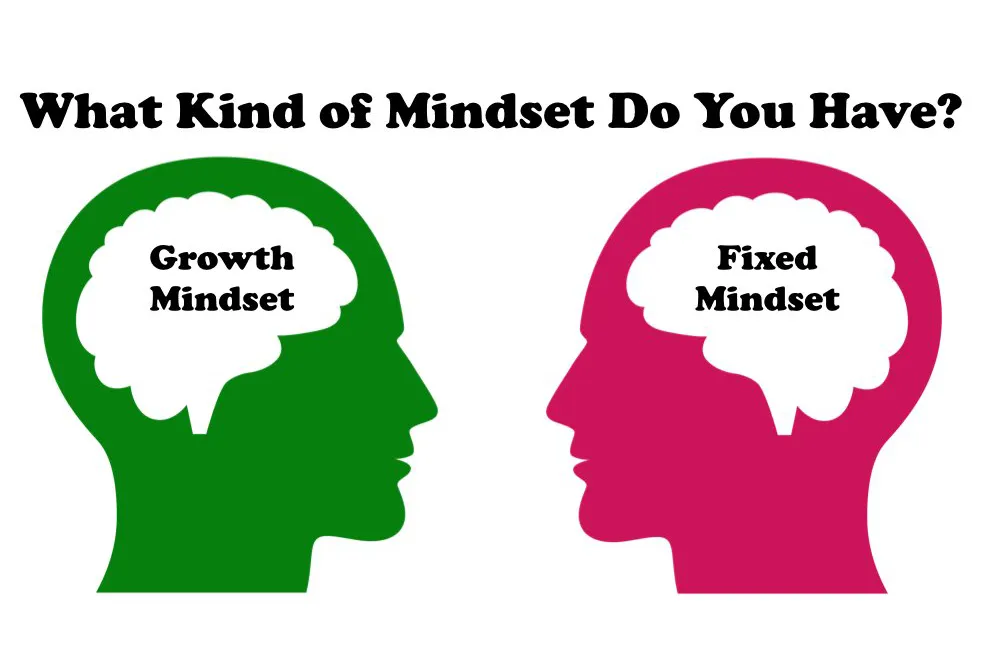
What if our “knowing” self undermines the joy of “learning” or discovery? Consider that having to know drives our need to know, which guides what we learn and what we ignore. Even if someone tells us something we don’t know, we often find ourselves, reflexively and defensively responding, “I know” rather than opening to learn.
Our last two blogs introduced first-person learning (and here) as an approach to learning from our concealed beliefs, assumptions, and blind spots. Such self-discovery expands our views to access our being. However, much of leadership development is predicated on knowing more rather than being more.
Knowing More Vs. Being More
Accessing our being requires self-discovery and vulnerability (The Power of Not Knowing). Embracing our vulnerability challenges our identity and sense of self. We tend to resist such a challenge with our entire being, the very being we must now examine.
As humans, we resist change. Given the choice of remaining with the status quo and being ineffective, or changing our minds and succeeding, most will choose familiar ineptness over adopting new views or beliefs. The resistance can be cunning, creative, and steeped in self-deception. The smart leverage their extra brain cells to concoct elaborate self-deceptions to justify their fixed and static viewpoints — usually at significant costs to their teams and organizations.
The Arbinger Institute and its classic book, Leadership, and Self-Deception, offers a fable, seen in this video clip, that illustrates how self-deception traps us.
First-person learning provides access to our unexamined self. We discover and distinguish who we are as learners and unlearn outmoded approaches that no longer serve us. In time and with practice, challenging our internal landscape and closely held beliefs can get us “out of the box” (as Arbinger terms it), increasing our capacity to listen, learn and lead.
Fixed Mindset
Questioning and confronting our internal landscape loosens the grip our fixed views have on us. This encourages us to shift from what Stanford University researcher Carol Dweck refers to as a fixed mindset. In her book, Mindset: The New Psychology of Success, Dweck reveals how praising intelligence and ability doesn’t foster the self-esteem that leads to accomplishment, but may jeopardize success.
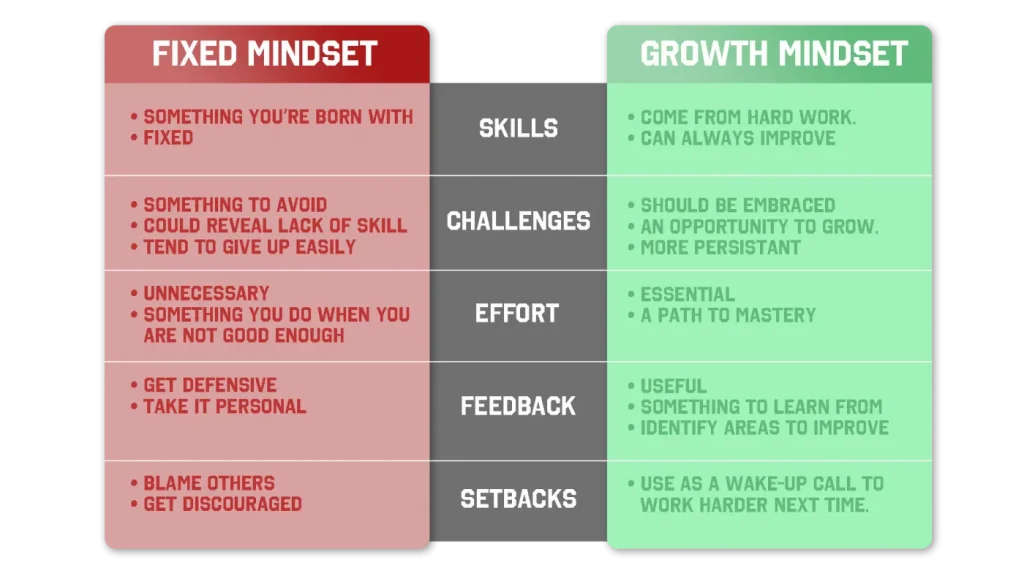
Dweck’s researched much of her findings in elementary and high school children. She found that some children loved a challenge and wanted to grow. Other children, however, were terrified at the prospect of being challenged – for fear that they might not know. She found that this bunch — those rewarded for knowing — would cheat, lie and give up to preserve that identity.
Fast-forward two decades in that child’s adult life. After a childhood receiving accolades for being smart and knowing, they are now promoted to leadership roles and discover they cannot know everything. They realize that expanding leadership comes from not knowing and being vulnerable.
Being vulnerable!? For these emerging leaders, they’d rather die. Such an identity crisis assaults who we know and expect ourselves to be. This short video clip explores some challenges of shifting from the fixed to the growth mindset.
Growth Mindset …
When our identity is so wrapped up in having to know, we defend ourselves against the unknown. When we experience uncertainty, we may feel confronted or even attacked. We challenge any question, control all situations, and fear ambiguity.
Our comfort zone avoids any idea, question, or discussion that may threaten that identity.
Such rigid self-perception is part of what Dweck details, appropriately, as a fixed mindset. Her work helps develop what she terms a growth mindset.
Shifting to a growth mindset is not easy. It takes time and requires letting go or unlearning.
View these short animated clips for additional support on a Growth Mindset Video; or Growth Mindset Animation.
… Involves Unlearning
The unlearning process supports a growth mindset. By breaking down the origins of our thoughts, attitudes, behaviors, feelings, and biases, we surface assumptions and concealed beliefs and release outmoded expectations.
As a result, unlearning outmoded beliefs about life, success, and leadership finds us living in the same world with a new pair of eyes. We no longer view knowledge as an indicator of self-worth or source of our power or relate to “knowing” as our fixed mindset.
The notion of “not knowing” no longer threatens our identity. We become more comfortable with challenging questions, new situations, erratic change, or unpredictable circumstances – scenarios that have now become commonplace.
Growth is no longer a tactic or strategy; it is now a mindset. We learn, expand, and embrace the diverse and unexpected over the familiar and safe. By placing ourselves in the gap, we connect with different dimensions of our “self” and become alive.
Reading Time: 3.5 min. Digest Time: 4.5 min.
VIEW OUR RELATED BLOGS:
0 Comments